Charting a New Era for STEM Education
1. Introduction
I really hope that creating those moments where a young child is inspired by science will forever spark their imagination, spark their creativity, and help them make the most of who they are.
Introduction
Over the past few years, the rise of artificial intelligence (AI) in everyday life has brought renewed urgency to efforts to expand and strengthen STEM education in the U.S., amid growing concern that American students are not getting the math, computing, and critical thinking instruction they need to succeed in the computing age. As is widely recognized, STEM learning has become not only crucial to the success of individual students but also to the competitive edge of the United States as a whole.
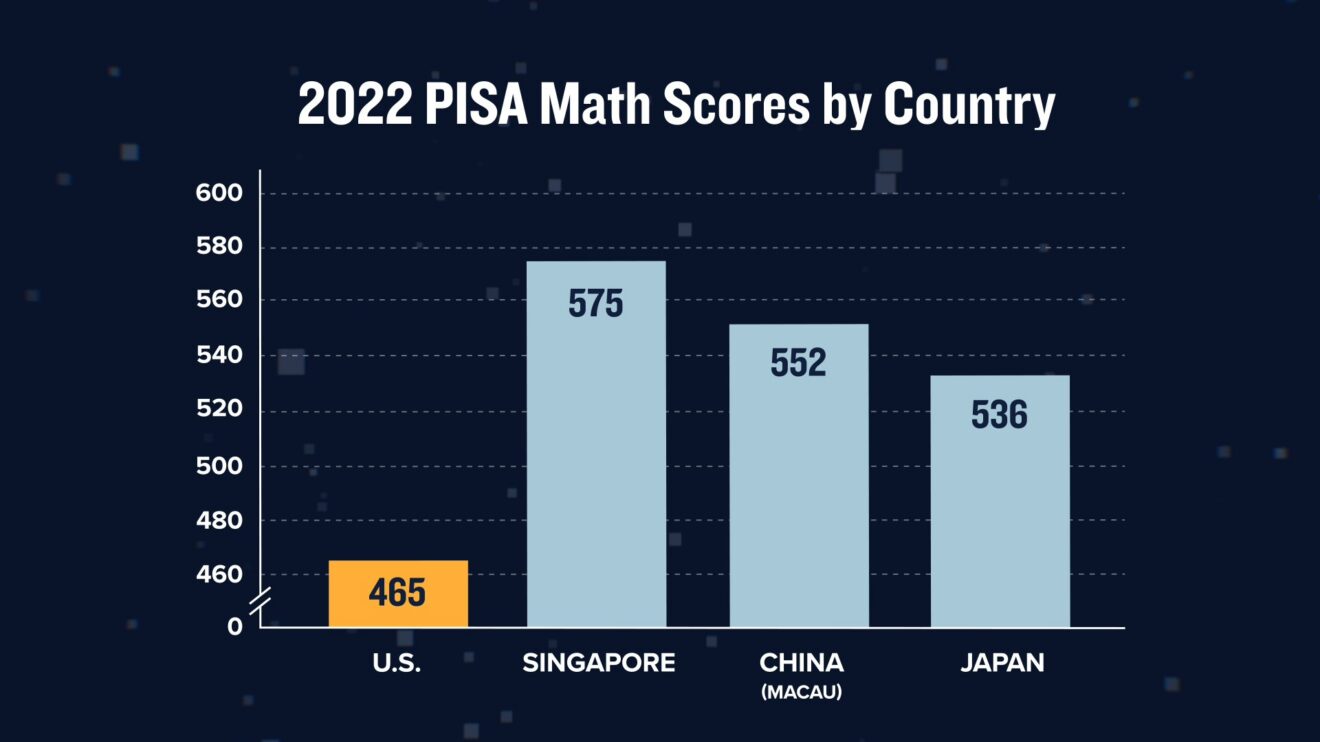
And yet the nation continues to fall behind in STEM education, even as other countries race ahead. Standardized test scores for U.S. students in math and science have continued to slip over the past decade, from 491 in 2012 to 465 in 2022. Viewed globally, the situation is even more dire. The standardized math scores of U.S. students in 2022 were fully 88 points below the average scores of students in Singapore, China, and Japan. And currently, only 1 in 20 high school students in the U.S. takes any kind of computer science or AI class.
Though the crisis has many roots, two stand out. One is simply a lack of K-12 teachers around the country who are trained to instruct STEM subjects as well as to incorporate computing and AI instruction into other courses. The other is the inability to engage a sufficient number of U.S. students in STEM education at the high-school level.
Griffin Catalyst is helping to solve both sides of this problem. In Florida, it is supporting an initiative to increase the supply of STEM educators through the expansion of teacher training and certificate programs with specialized training. Across the country, it is expanding access to STEM gateway courses, such as the Advanced Placement (AP) Computer Science Principles course, for a larger and more diverse group of high school students, opening the door to advanced STEM courses in college and related careers.
For Griffin Catalyst, support for both programs is part of a larger commitment to increasing access to STEM education—both enhancing career opportunities for a wide variety of young people and also contributing to the future of tech talent and long-term economic competitiveness for the United States as a whole.
An Educational Threat
“One of the greatest threats to America is an educational threat. We’re watching a teacher shortage, and when it comes to comparing ourselves to other countries, America is falling behind in test scores. America is the country that invented the computer. We should be the country that leads in computer science education.”
The United States currently has more than 300,000 thousand job openings in computer science and information technology annually. But only 80,000 AI and computer science majors are graduating college each year—and only 5% of high school students in the country even study AI or computer science.
One reason is a lack of teachers. Among the country’s more than 800 teacher preparation programs—a number itself insufficient to meet current needs—there are far too few faculty members who specialize in computer science education. As a result, far too few teachers are being trained to teach AI or computer science, and specifically, to understand how AI is shaping computer science education.
It is our time to make sure the education we’re providing to our students allows them to be able to solve problems and be the leaders in terms of technology advancement. In order to make sure that every child has access to high-quality computer science and AI education, we have to invest in teacher preparation.
Teaching the Teachers
To solve this bottleneck, Griffin Catalyst provided $5 million in November 2022 to support the CS Everyone Center for Computer Science Education at the University of Florida’s College of Education, directed by Griffin Professor Maya Israel, Ph.D.
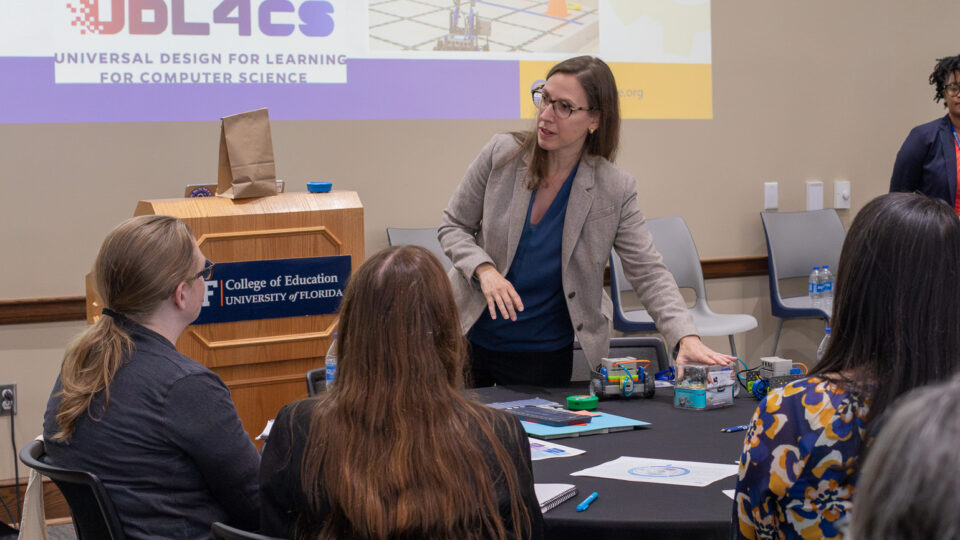
Though a variety of innovative programs, CS Everyone Center is preparing K-12 teachers to integrate AI and computer science into their curricula, helping educators to gain the skills they need to meet today’s student demands, and to prepare the workforce for tomorrow’s world. “We want to make sure that we have a generation of young learners who are empowered to be creators with technology,” Maya Israel observes, “who see the world around them and consider the kinds of solutions that they can create to solve the world’s problems.”
To carry out this mission, the Center has created a new AI and computer-science teacher preparation program, constructed as a continuum from college-level minors in AI and CS education, to online graduate certificates, to masters and doctoral programs. It is also upskilling current teachers in AI and computer science education. Over the past three years alone, the Center has trained over 300 educators and coaches in Florida, who, in turn, have taught AI and CS classes to more than 60,000 students.
“I love to teach computer science; I love to teach programming. But once I attended the Computer Science certificate program, I was taught pedagogical strategies that had a really great impact in making my teaching better.”
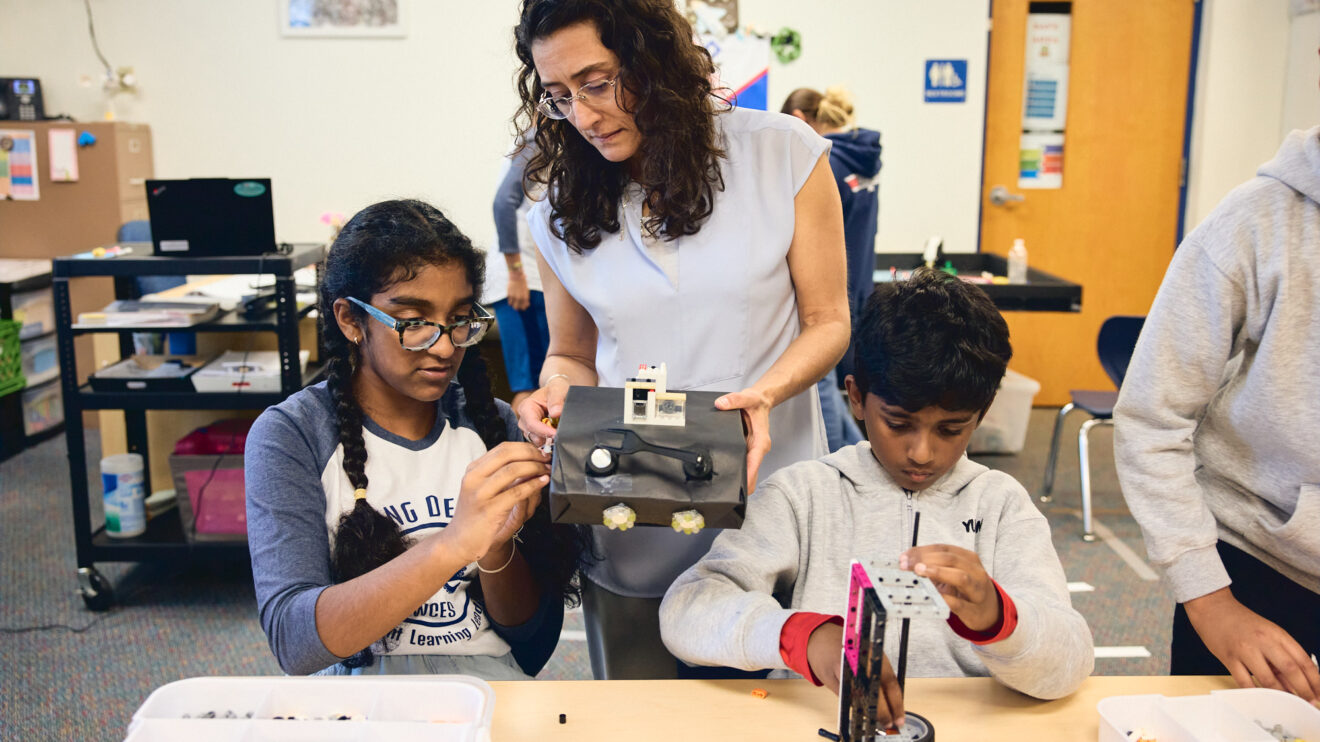
Currently, the Center’s efforts are focused on Miami, but they are expanding rapidly to cities across Florida and hope to continue to grow this work more broadly in the coming years.
“The Griffin Catalyst funding allowed us to expedite our CS Education program at a rate that there is no way we would be able to do otherwise. Our current goal is to be able to prepare 30,000 teachers in the state of Florida. If we do a good job with that, then we will be able to teach approximately 750,000 kids.”
Reaching Out to Every Student
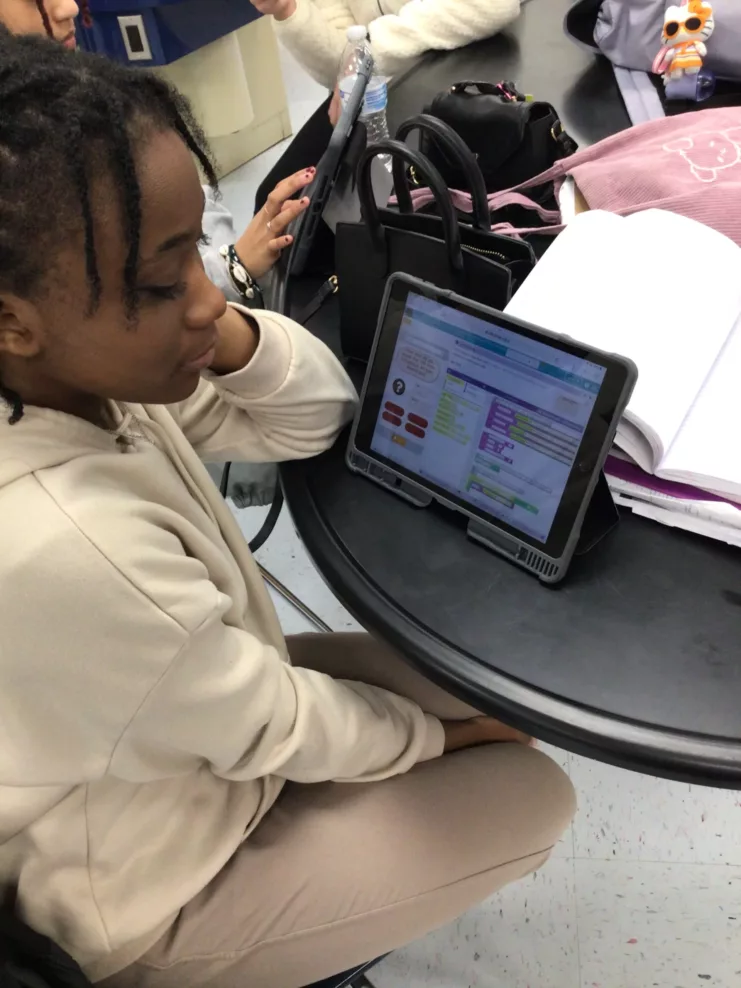
To maximize its impact on STEM education, Griffin Catalyst knew it needed to address a long-standing challenge: the need to widen participation in STEM classes among students of all backgrounds.
In 2016, the College Board, which administers Advanced Placement (AP) programs, introduced a new course, AP Computer Science Principles (AP CSP) to do just that. This engaging foundational class allows high school students to learn the basics of CS and AI, with the potential to receive college credit upon conclusion.
Building on this initiative, in 2022, Griffin Catalyst partnered with the College Board to fund an expansion initiative to further level the playing field, increasing access to this gateway STEM opportunity for 414 high schools nationwide where it had not been available previously. The effort also underwrote teacher professional development, mentorship opportunities, technology, and other costs associated with offering the course.
Crucially, Griffin Catalyst’s support targeted communities with fewer resources, ensuring equal opportunity for students to reach their full potential in STEM.
And the early results are promising. A study from the College Board found that students who take AP CSP in high school are more than three times as likely to major in computer science in college than those who did not.
As the future of economic and national competitiveness continues to depend on a population able to think critically and engage with new technologies, Griffin Catalyst recognizes the importance of expanding access to STEM education for all, to prepare the next generation of students for success.
It’s very important to remember that the ability to think as an engineer translates directly into the ability to run businesses, to build businesses, and to solve problems. It’s a critical background to have.